
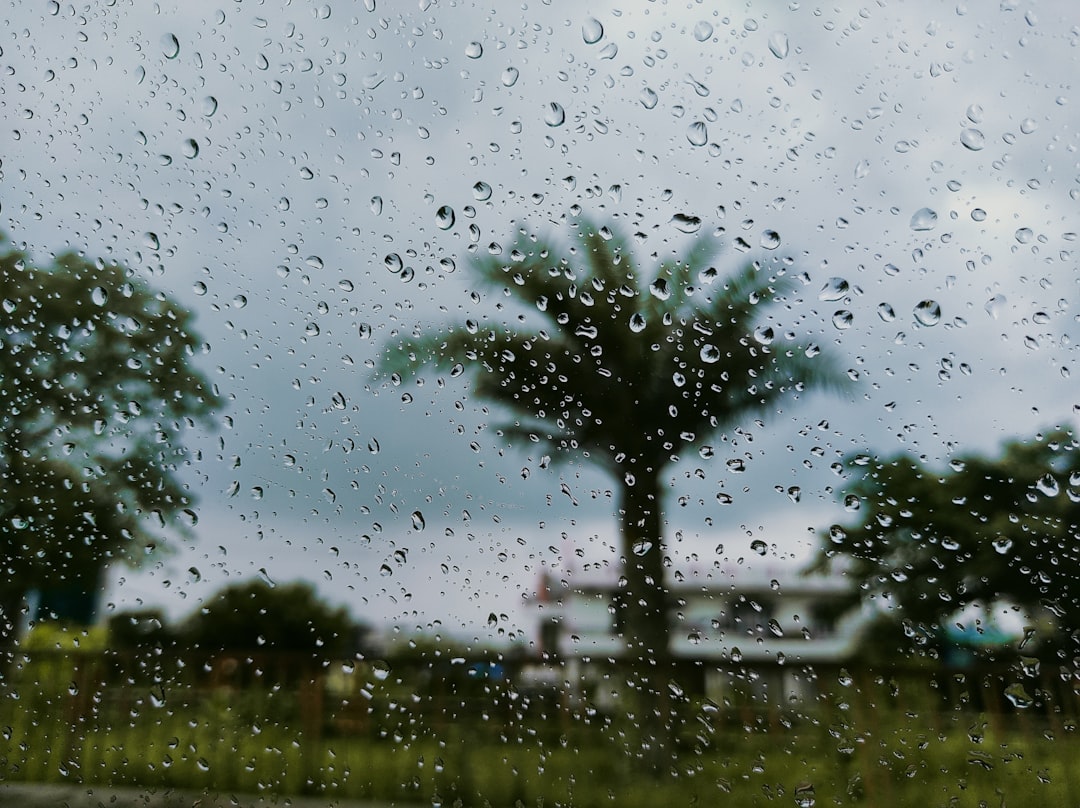
Capturing Stunning Nature Photography on Your Travels
Traveling offers a unique opportunity to capture the beauty of nature through photography. Whether you are hiking through lush forests, exploring serene beaches, or venturing into the mountains, each environment presents its own challenges and rewards for photographers. Understanding how to effectively capture stunning images can enhance your travel experience and create lasting memories.
Understanding Your Environment
Before you start snapping photos, take a moment to observe your surroundings. Each location has its own unique lighting conditions, colors, and textures that can greatly influence your photographs. For instance, early morning or late afternoon light, often referred to as the golden hour, provides a warm glow that enhances landscapes and subjects alike. Pay attention to the weather as well; overcast days can create soft, diffused light that is perfect for capturing details without harsh shadows.
Additionally, familiarize yourself with the terrain and wildlife in the area. Knowing what to expect can help you prepare your equipment and anticipate the best moments to capture. For example, if you are in a national park known for its wildlife, be ready to adjust your settings quickly to photograph animals in their natural habitat. Understanding your environment not only improves your photography but also deepens your appreciation for the beauty around you.
Choosing the Right Equipment
Your choice of camera and lenses can significantly impact the quality of your nature photography. While professional cameras offer advanced features, many modern smartphones are equipped with impressive cameras that can produce stunning images. If you opt for a DSLR or mirrorless camera, consider bringing a versatile lens that can handle a variety of situations, such as a zoom lens for distant subjects or a wide-angle lens for expansive landscapes.
Don’t forget to pack essential accessories like a tripod for stability, especially in low-light conditions or when capturing long exposures. A polarizing filter can also enhance colors and reduce glare, making it a valuable tool for landscape photography. Ultimately, the best equipment is the one that you are comfortable using and that suits your photography style.
Mastering Composition Techniques
Composition plays a crucial role in creating visually appealing photographs. Familiarize yourself with the rule of thirds, which suggests dividing your frame into a grid and placing key elements along the lines or at their intersections. This technique can help create balance and draw the viewer’s eye to the focal point of your image. Additionally, leading lines, such as paths or rivers, can guide the viewer’s gaze through the photograph, adding depth and interest.
Experiment with different angles and perspectives to find the most compelling composition. Sometimes, getting low to the ground or finding a higher vantage point can transform an ordinary scene into something extraordinary. Don’t be afraid to move around and try various compositions until you find the one that resonates with you. Remember, photography is an art form, and your unique perspective is what makes your images special.
Post-Processing Your Images
After capturing your photographs, post-processing can enhance their quality and bring your vision to life. Software like Adobe Lightroom or Photoshop allows you to adjust exposure, contrast, and color balance, helping to create a polished final product. Even simple adjustments can make a significant difference in how your images are perceived, so take the time to refine your work.
However, it’s essential to maintain a balance in post-processing. Over-editing can lead to unnatural results, so aim for a look that enhances the natural beauty of the scene without straying too far from reality. Consider creating a consistent editing style that reflects your personal brand as a photographer, making your work easily recognizable.
Sharing Your Photography
Once you have captured and edited your stunning nature photographs, it’s time to share them with the world. Social media platforms like Instagram and photography websites provide excellent avenues for showcasing your work and connecting with other photography enthusiasts. Engaging with your audience through captions and stories can help build a community around your photography.
Additionally, consider creating a portfolio website to display your best work and attract potential clients or collaborators. A well-organized portfolio can serve as a powerful tool for showcasing your skills and establishing your credibility as a photographer. Remember, sharing your work not only allows you to receive feedback but also inspires others to appreciate the beauty of nature through your lens.
Step-by-step plan:
Step 1: Observe your environment to understand the best lighting and conditions for photography. Step 2: Choose the right equipment that suits your photography style and comfort level. Step 3: Master composition techniques to create visually appealing images. Step 4: Post-process your images to enhance their quality before sharing them.